Discovering treasure beneath my feet.
My story
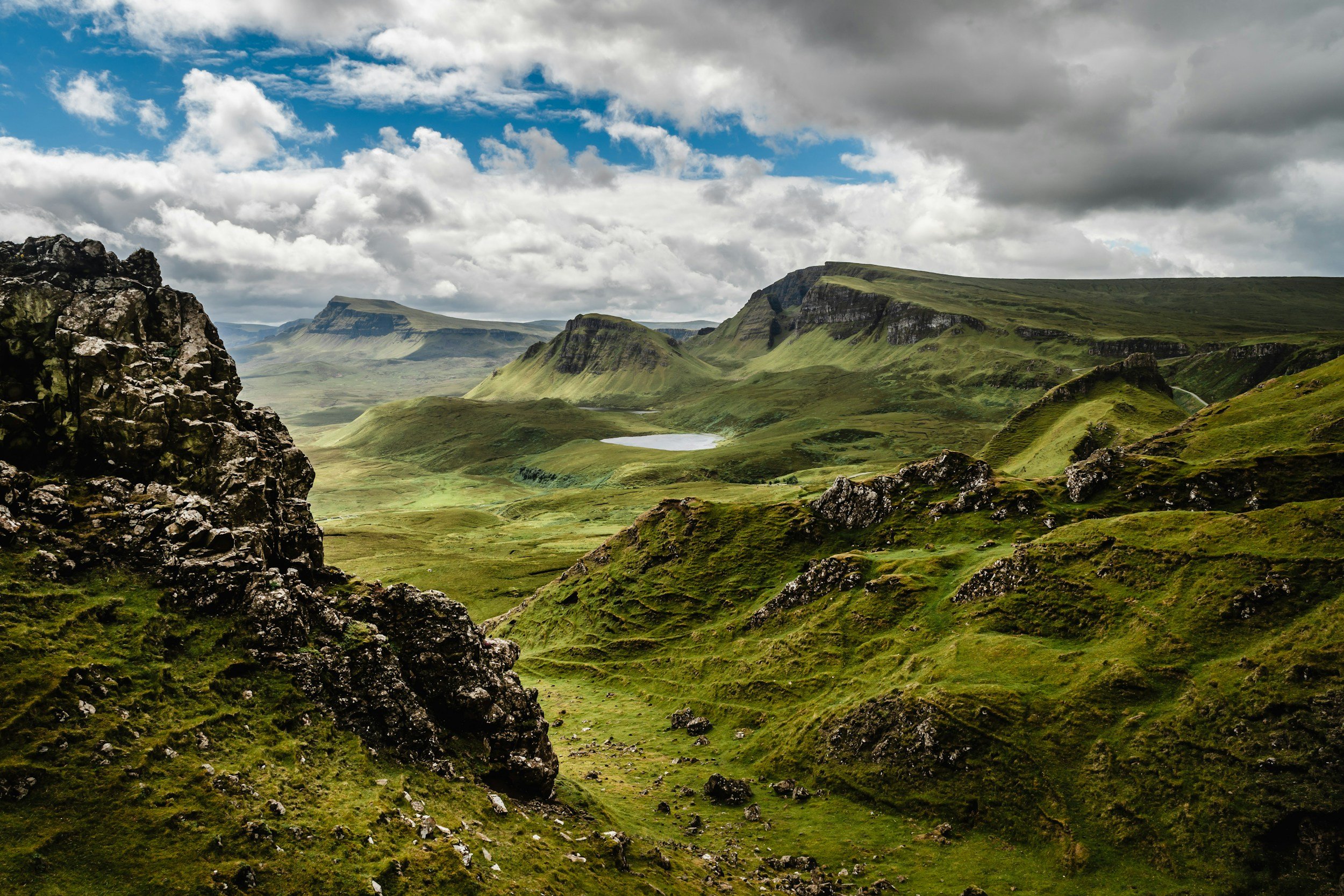
I grew up in the Lammermuir Hills in Southeast Scotland, miles from the nearest village. As a child I immersed myself in stories, reading every book I owned over and over again. Then one day a book of Greek myths fell into hands.
I became obsessed, reading and rereading the book until it was a tattered mess. I can still remember the hurt and confusion I felt when Artemis turned Actaeon into a stag (it’s a story I love to tell today). There stories were different to the children’s novels I usually read, though I couldn’t understand why.
Nobody told me that Scotland has myths and legends too, and I didn’t think to ask why not. I grew up and travelled the world, spending extended periods of time in Uganda, India, Nepal and Peru, exploring eastern and indigenous spiritualities and meditation. I planned to start writing novels at some point, but for some reason I never started.
I was back in Scotland, about 28 years old, and absorbed in learning to play the didgeridoo, when my teacher, Ken Shapley, showed me a picture of an old man with long, white hair and a mischievous smile. ‘I’ve got a feeling you should meet this man. His name’s David Campbell. He’s a storyteller.’
That’s a thing?
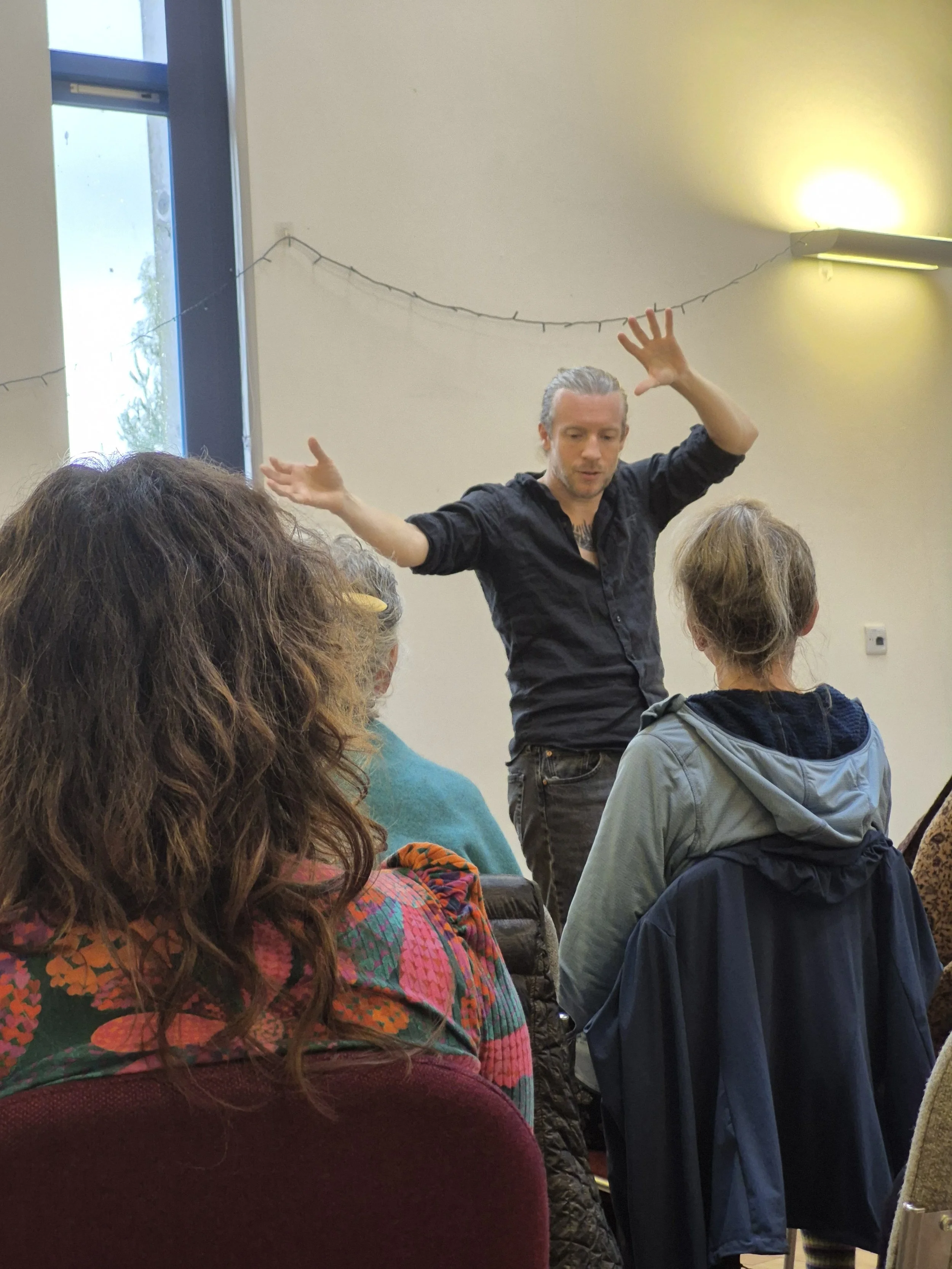
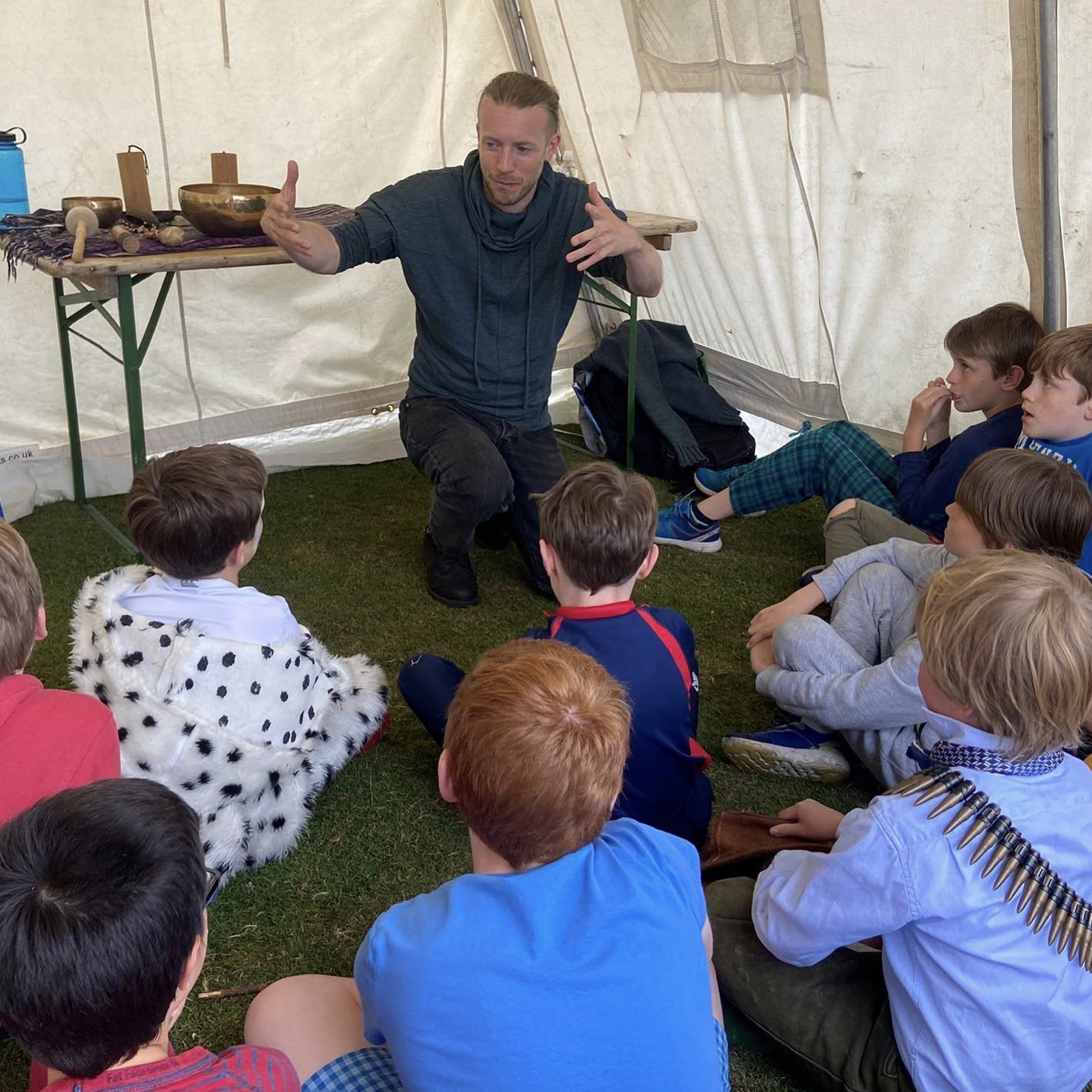
I learnt that day that oral storytelling existed. I figured out pretty quickly that I was born to do it. In most circumstances I’m shy and introverted, yet give me a story and a few listeners and shyness is forgotten. I could talk for hours, to five or fifty or five hundred people, without a worry.
Around the same time I finally started writing a novel.

Then came the hard part. I put in the 10,000 hours in my writing chair. I fumbled my way through awkward tellings to uninterested teenagers. Years passed.
I spent eight years on my first novel. At one point I quit for six months and enrolled in music production course; it seemed I didn’t have the stuff. But then one day an idea came for the novel. A way to fix it. I quit the course, went back to writing and six months later I wrote ‘The end’. It was the happiest moment of my life thus far.
Bardic Days
That was 2016. Since then I’ve written seven books in total; once I knew I could do it, I couldn’t stop.
I spent many years living in Scotland, getting up in before dawn to write before going to my job teaching drama to autistic teenagers. I worked part-time, spending the rest of my days travelling across Scotland to tell stories in schools, libraries, prisons, festivals and wherever they’d have me. I performed in the UAE, USA, Turkey, Ireland and Singapore. I walked coast to coast across Scotland on bardic tours, and camped for weeks on Hebridean beaches while performing across the islands.
I told stories from places I’d visited, places I lived, places that fascinated me. I was curious about the heftier Celtic myths but just couldn’t get my head around them, so I mostly left them alone.
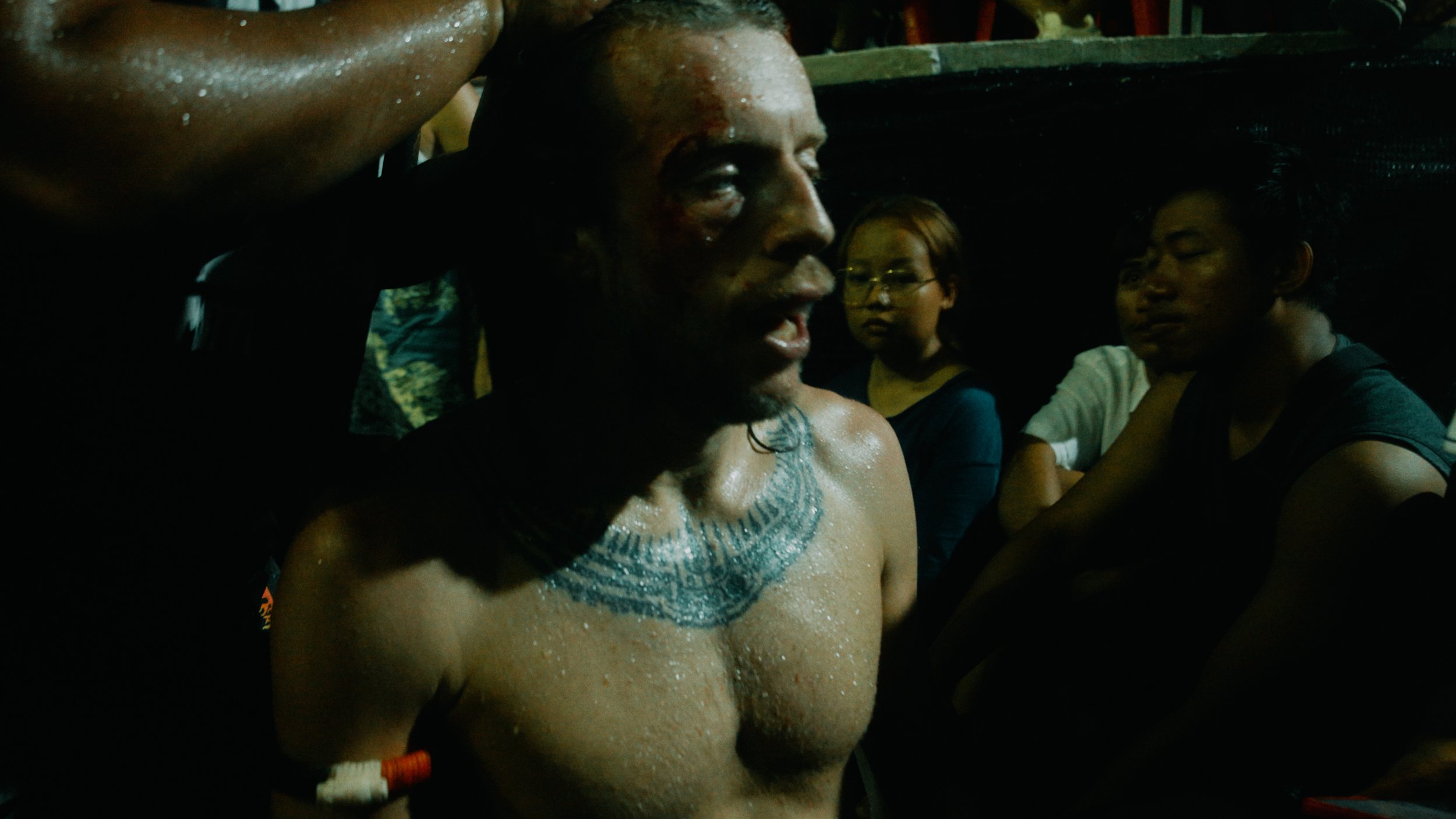
Life then took an unexpected turn east. I discovered Muay Thai, a Thai martial art considered the deadliest in the world. I got obsessed; it was speaking to a part of me that I’d never claimed. A tough breakup sealed the deal; I quit my job, sold my belongings and booked a one-way ticket to Thailand, right after receiving my first publishing contract.
I wrote Irish Mythology: Fionn & The Fianna, a book about an Irish warrior brotherhood, while living at a Muay Thai camp. It wasn't easy–I’d never been even remotely athletic–but somehow it was a beautiful twin to storytelling. The Fianna were warrior-poets; I was writing that life while living it.
Leaving Home, Finding Home
It was only after leaving Scotland that I truly began to understand the richness of Celtic Mythology. I’d dabbled in it for years but found it dense, confusing. Every book on the subject was a dense, academic tome or a shallow summary. With Irish Mythology: Fionn and the Fianna I set out wrote the book I wanted to read. I’d slog my way through the weeds and share what I learned. It worked, and gave me the confidence to go on writing.
Since then, the world of Celtic myth has opened up to me. I fell in love with The Mabinogion and with the Irish Mythological Cycle. And the fiction I was writing began to change.
Pagan Fiction
After spending years writing an absurdly complicated first novel, I wanted to write something short and snappy next. I took inspiration from the Orcadian tale of Asipattle and Muckle Maester Stoor Worm, an Orcadian tale influenced by Norse myth. The novel that emerged was a fast-paced, action-packed historical fantasy where the Celtic gods and legendary creatures were all real. It was supposed to be a one-and-done, but by the time I reached the end, I’d fallen in love with my characters. The Orkney Cycle was just beginning.
I fond that writing this kind of story wasn't just a creative act; it was a devotional act. Every day feels like a kind of prayer; a conversation with the dreaming of Orkney, Caithness and Ireland. A chance to dream new stories for the Celtic gods, and to wander in the world of my ancestors.
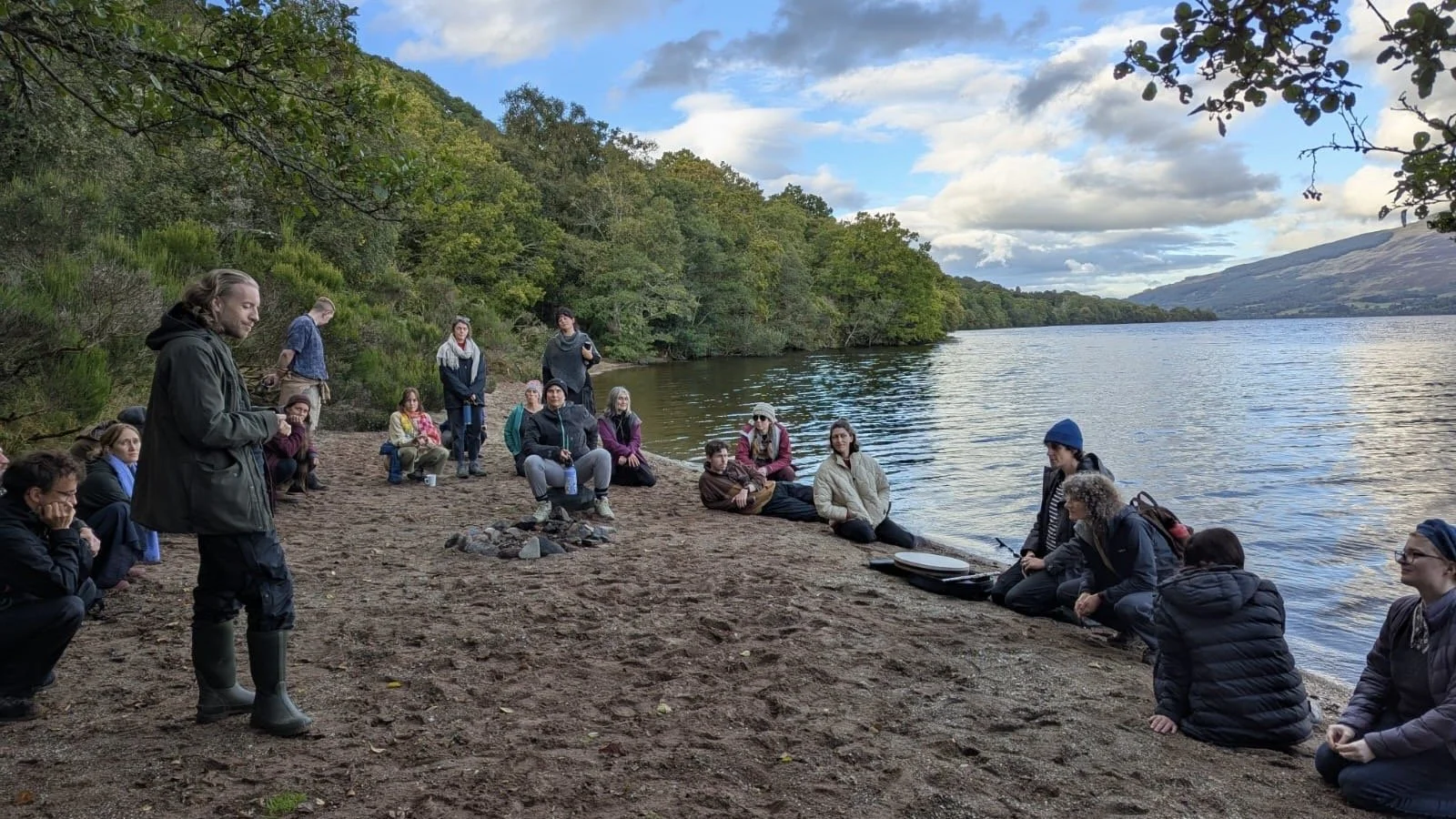
NowNow I find myself living between two worlds. I met my beautiful partner and settled on a Thai island, where I love to absorb the language, history and rich spiritual culture. Each summer I return to Scotland to see family and friends, run my retreat and spend time exploring and connecting to the land.
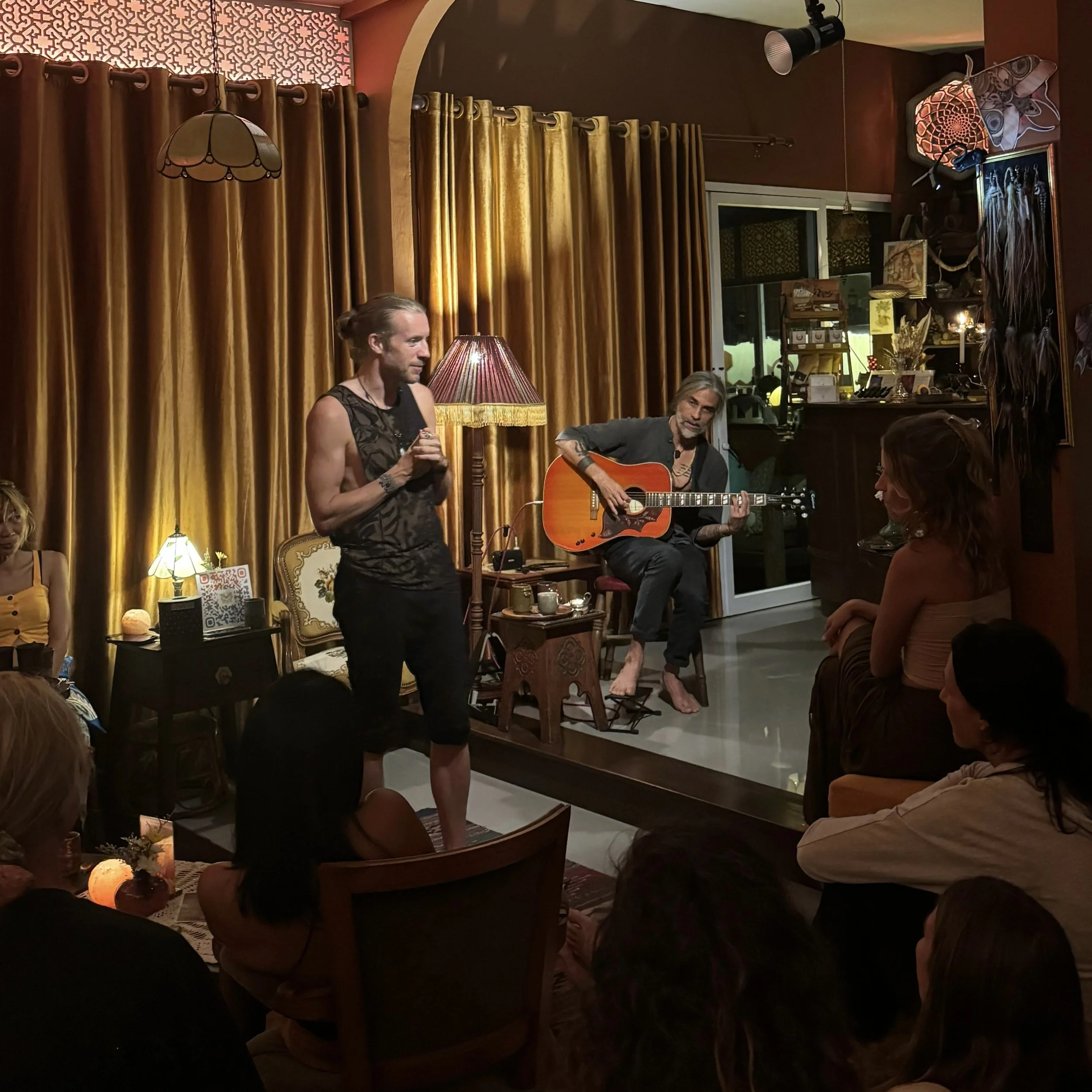
I spend my days writing, coaching storytellers and exploring Celtic and Southeast Asian culture, language and folklore. I have a weekly storytelling event at my favourite venue on the island, which is a never-ending delight. In my spare time I’m usually practicing Muay Thai or Latin dance, or swimming with the rainbow fish.
I’m working on two new books: The Mabinogion Retold and Fortress of Shadows (The Orkney Cycle Vol. III).
It’s hard at times to live between two worlds, but that is the role of a storyteller: to be the edge-dweller between the village and the forest. It’s a place many of my students know, living in North America yet with Celtic roots pulling at them. It’s an unease to live, not to solve.